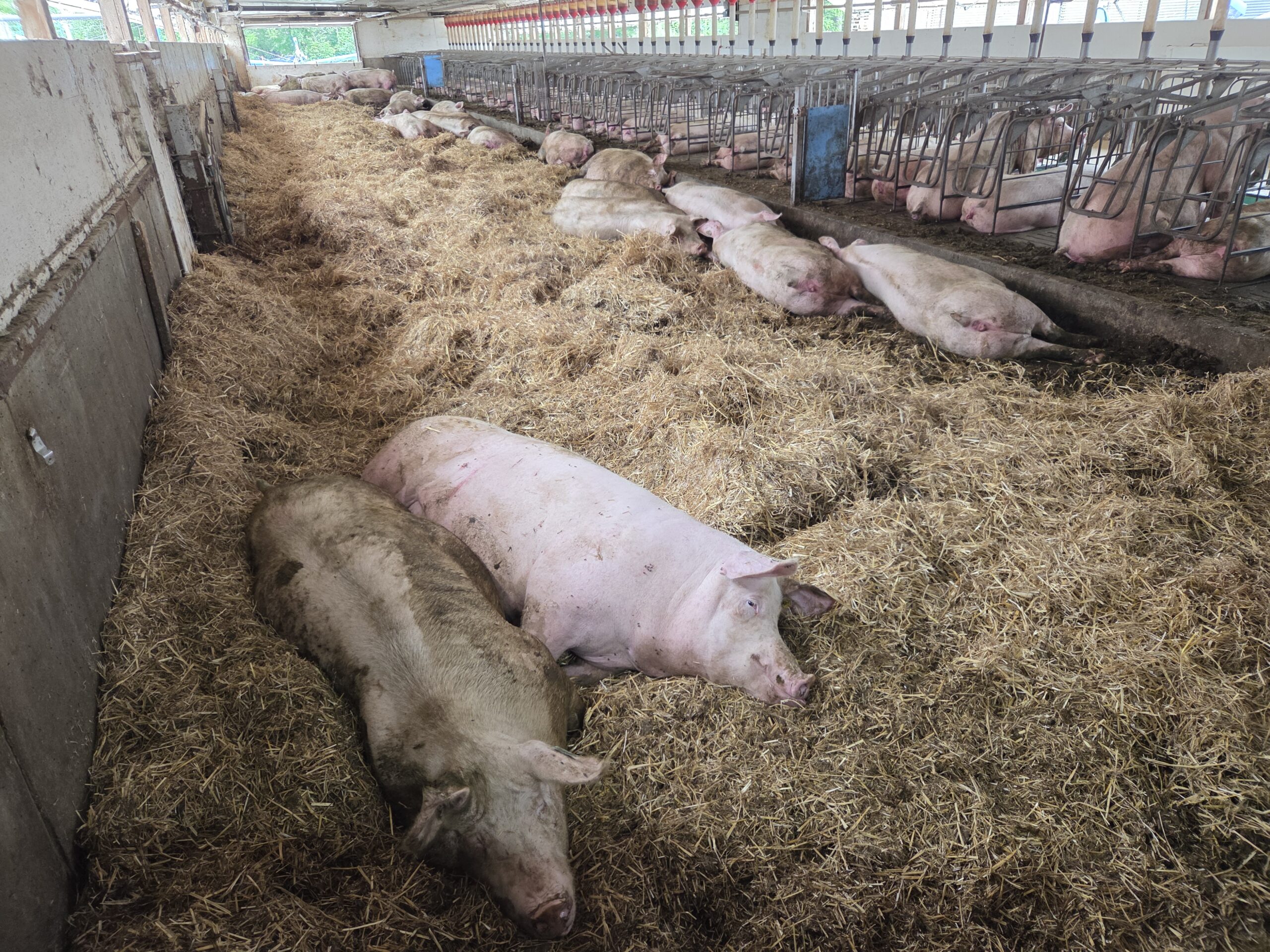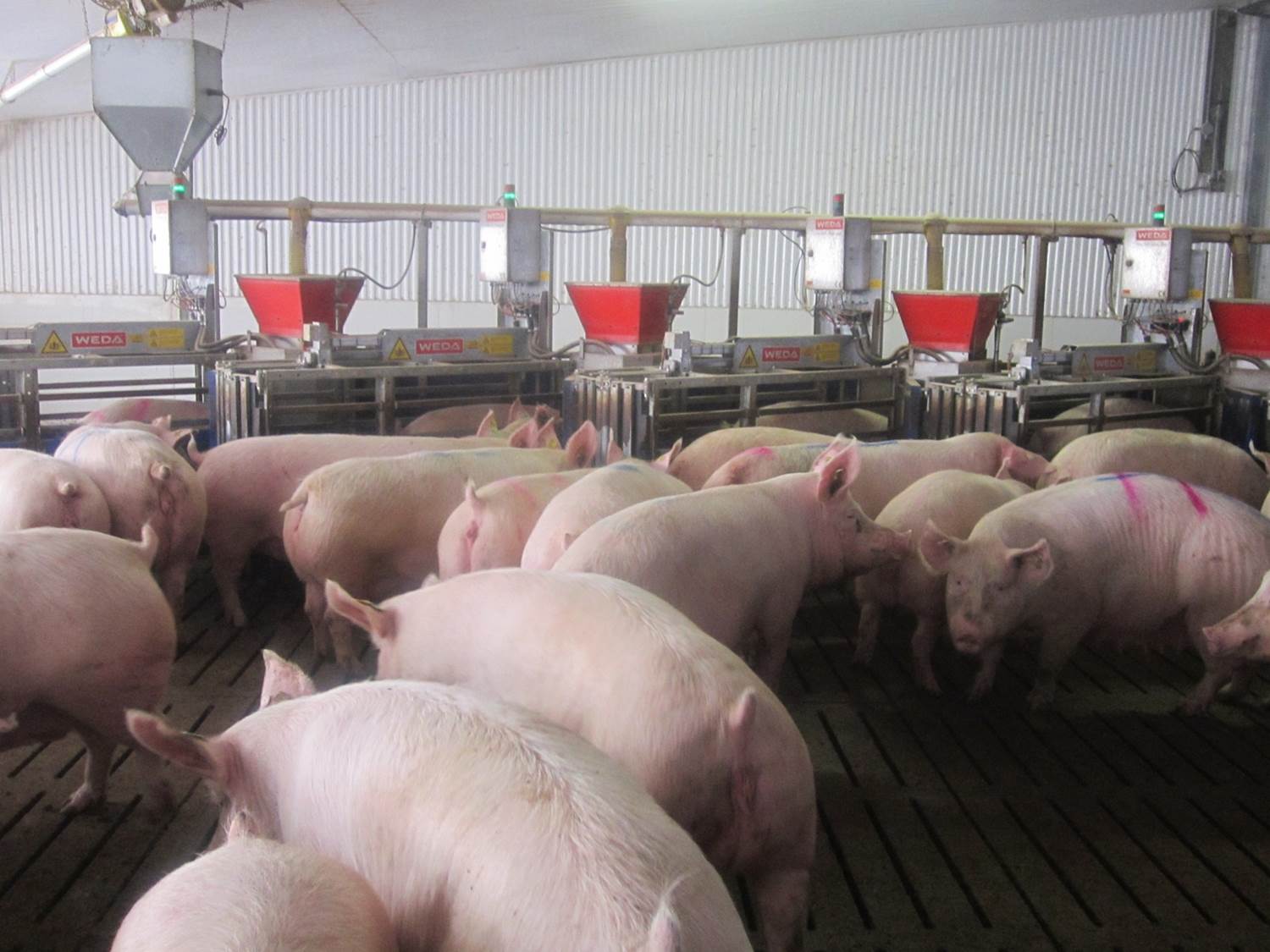

Following updates made to the Code of Practice for the Care and Handling of Pigs, Canadian producers will need to make the transition to group sow housing by July 1st, 2029. With the shocking cost associated with the barn renovations that will be needed for this change, there is great concern about the productivity challenges that sows in group housing may face. Reports of abortions and early pregnancy losses are rightfully worrisome, as well as concerns about learning and implementing practices for actually managing group housed animals over multiple parities.
To ease this transition, it is important that the industry begins to assess data that we have from farms that have already implemented group housing and developed their own management strategies. With management programs and computer based record keeping, the data exists, it just needs to be processed and analyzed.
This project aims to gather knowledge and develop methods to assist producers in making the transition to group housing, while also improving sow welfare and maintaining productivity. This study focuses on utilizing retrospective and longitudinal data, comparing sow and gilt productivity in group and stall-housed herds under the same management practices. By identifying production benefits and risks associated with each housing system, we can better understand how to approach the transition to group housing. Our findings will help develop communication materials to assist producers and their staff with the changes made.