Management tips
Resources and tips for managing group housed sows and associated infrastructure.
General practices
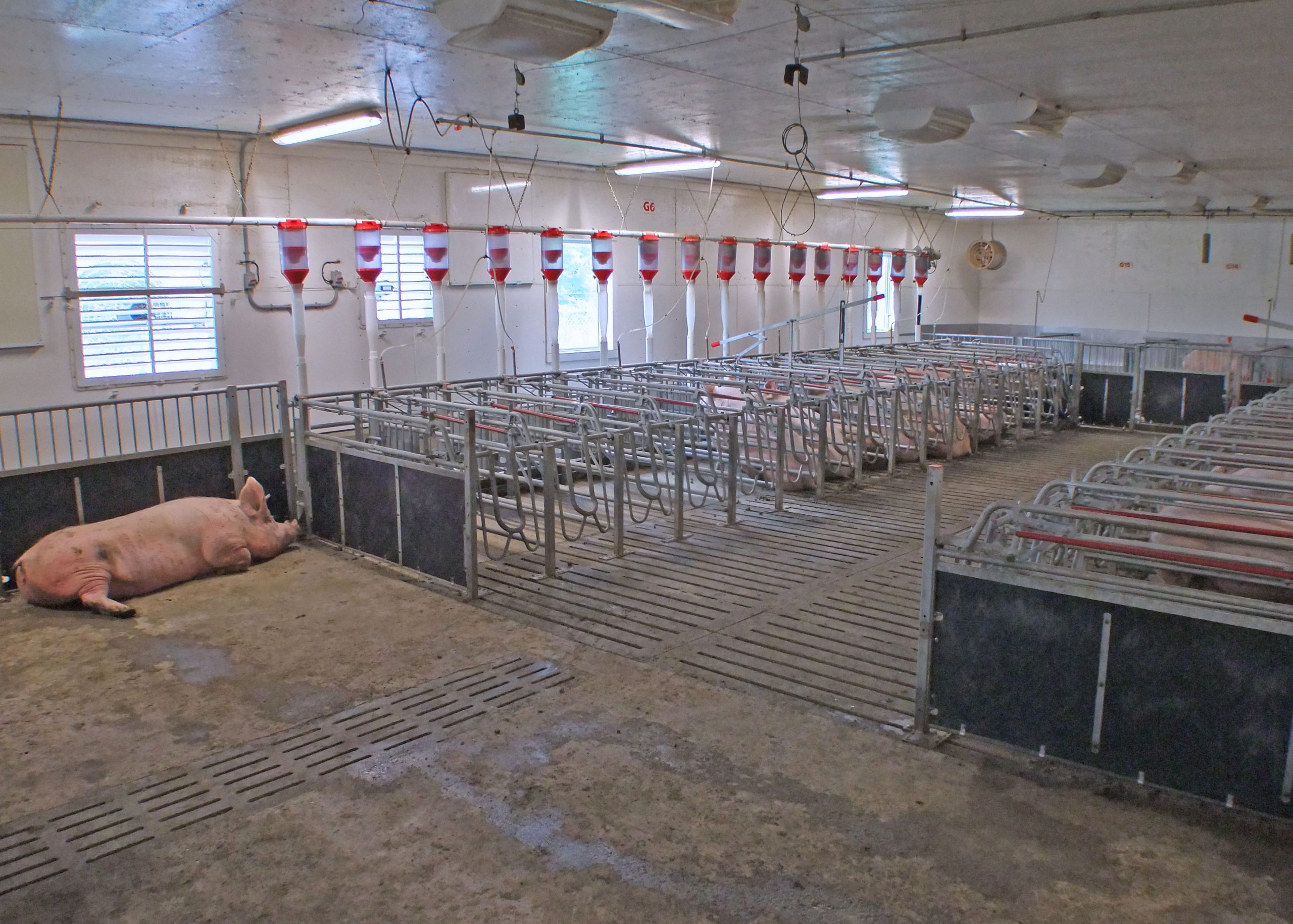
Working with group housed animals is quite different than managing individually housed, stationary animals. To ensure a smooth transition, it is important to make sure that training materials and standard operating procedures (SOPs) are updated, and that all existing and incoming staff are aware of the updated general practices. Major changes to general practices are likely to include alterations to feeding schedules, changes in animal observations, and differences in the type and frequency of pen and feed system maintenance that needs to be done.
Walking the Room (new Prairie Swine Centre handbook expected Spring 2026!)
- Before adding sows to the group pen, ensure that the floor is in good condition (dry, even, unbroken) and that there are no protruding bolts or broken parts that may cause injury.
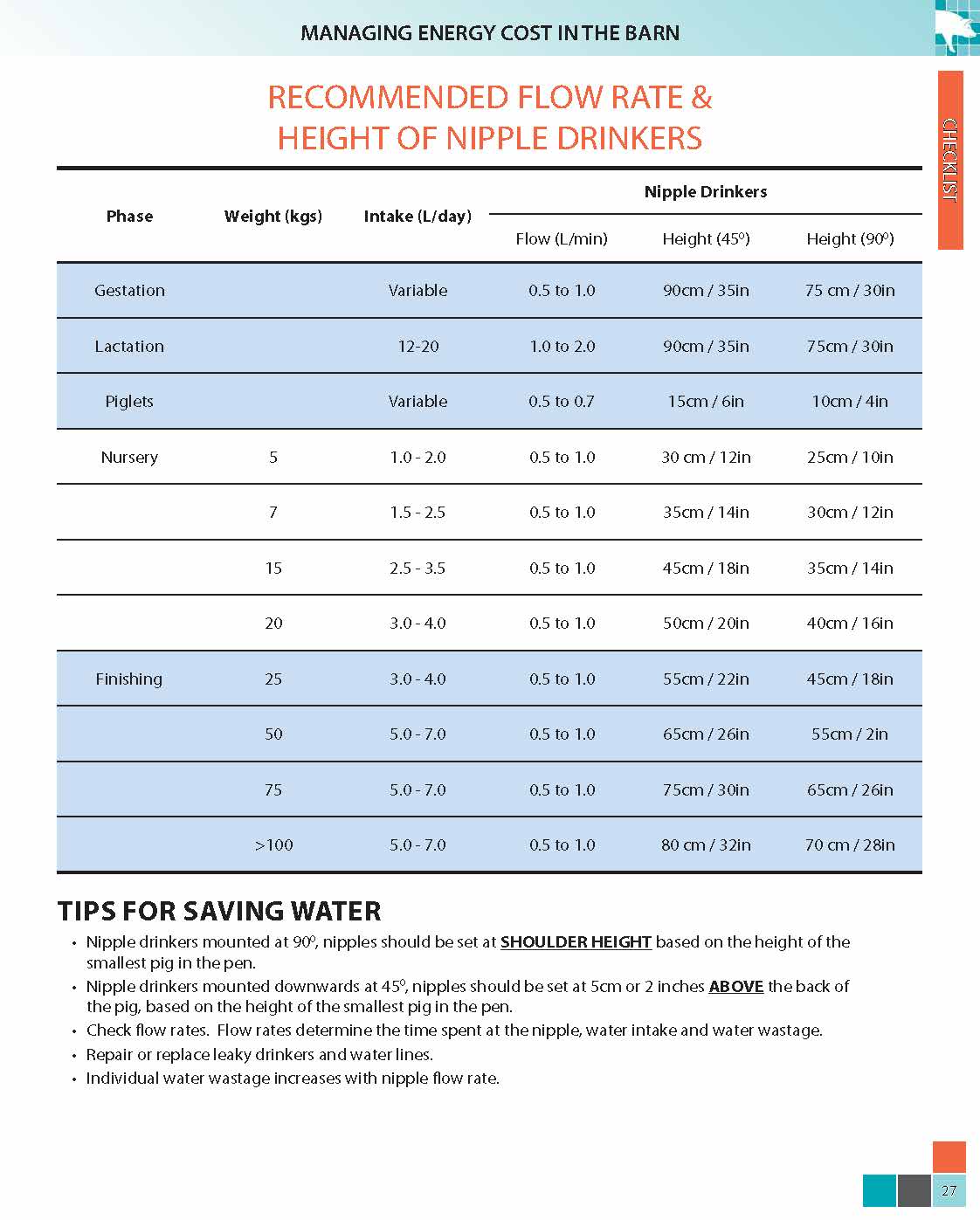
- Inspect all feeders and drinkers to ensure they are in good working order. For information on drinker position and flow rate, click here.
- If mixing in warm weather, ensure that the cooling system is working properly. Proper ventilation can help reduce mixing aggression.
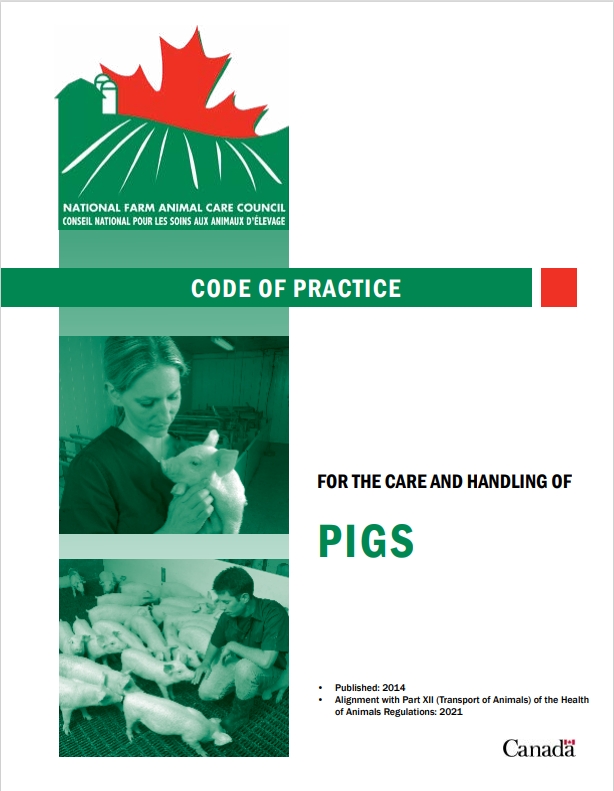
- Review pen space allocation and ensure that animals that have been sorted according to size, parity, and body condition. More information on mixing practices can be found under Grouping Strategies, and information on pen space can be found in the Code of Practice for the Care and Handling of Pigs.
- Carefully assess sow body condition and determine if any animals are lame or injured. Try to make interventions without removing the animal to begin, as animals generally cannot be added back into group gestation once they are removed.
- Watch for non-eaters. Off-feed events can result in reproductive issues. Identifying animals that are not eating is much easier if using an ESF system – animal entry into the feeder should be recorded, as well as the amount they ate and the duration of time they were in the feeder (depending on the system). In other systems, it can be harder to identify if an animal is eating, so careful attention to body condition is paramount.
Quick resources